
Chief Medical Laboratory Scientist and Laboratory Manager at the National Cardiothoracic Centre, Odelia
Tamakloe, has called on Ghanaians to prioritise routine medical screening and preventive healthcare to help
reduce the rising burden of non-communicable diseases.
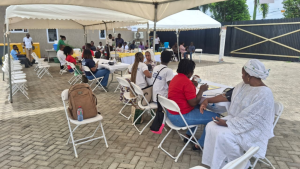
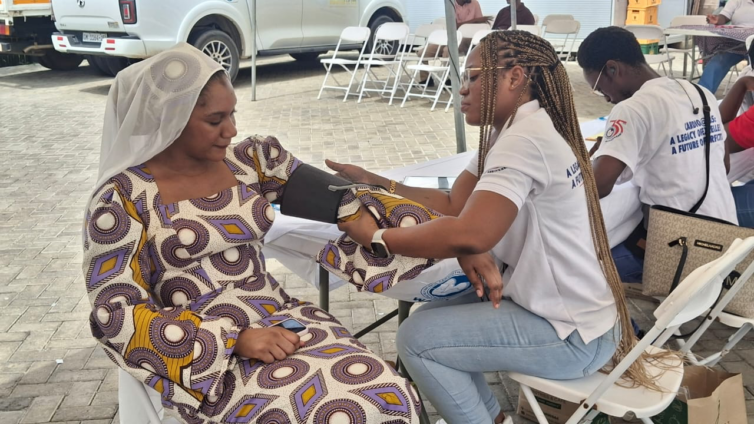
She made the appeal following a free health screening exercise organised by the Centre for staff of Quantum LC
and residents of New Achimota in Accra, which benefited about 150 people.
The outreach, themed “Early Detection, Better Health, Brighter Tomorrow,” formed part of the Centre’s corporate
social responsibility efforts and appreciation to partner organisations that support its healthcare services.
Ms Tamakloe noted that many people are unknowingly living with conditions such as hypertension and diabetes
because they rarely go for regular medical check-ups.
She explained that the National Cardiothoracic Centre also receives patients from other African countries,
including Nigeria, Cameroon, and Togo, for specialised heart-related treatment and surgeries, which are often
costly and require external support.
She highlighted that corporate partners such as Quantum LC and Kasapreko Company Limited have played key
roles in supporting the Centre with equipment, sponsorships, and other healthcare interventions.
The screening exercise included checks for haemoglobin levels to detect anaemia, cholesterol levels for
cardiovascular risk, blood glucose levels for diabetes screening, and prostate-specific antigen (PSA) tests for
prostate cancer among men. Some participants were also assessed to determine how well existing diabetic
conditions were being managed.
According to her, individuals with abnormal or critical results were referred for further medical attention, with some
scheduled for follow-up care at the Korle Bu Teaching Hospital.
Ms Tamakloe stressed that hypertension is particularly dangerous because it often shows no symptoms until
serious complications develop, making regular screening essential.
She also expressed concern about poor health-seeking behaviour, where some people take pride in not visiting
hospitals, and encouraged Ghanaians to instead treat health checks as a necessary investment in their well-being.
She concluded by urging the public to adopt proactive healthcare practices by knowing their baseline health status
and monitoring changes early to prevent complications.